Stories worth exploring
So much has been written about art, but what does a visitor actually see? Together with Centraal Museum in Utrecht, we built Digi Stories: interactive stories that don't explain the collection, but invite people to explore it, on touchscreens in the galleries and online.
What we provided
An invitation, not an explanation
Centraal Museum is the oldest municipal museum in the Netherlands. Its collection spans art, design, fashion, and the history of Utrecht, a rich and layered whole. Plenty has been written about all of it. The museum wanted to start somewhere else: not with what art means, but with what the visitor sees. The challenge was to design a digital experience that doesn't explain the collection, but invites people to look closer, make their own connections, and discover what art does for them.

Digi Stories, a layer over the collection
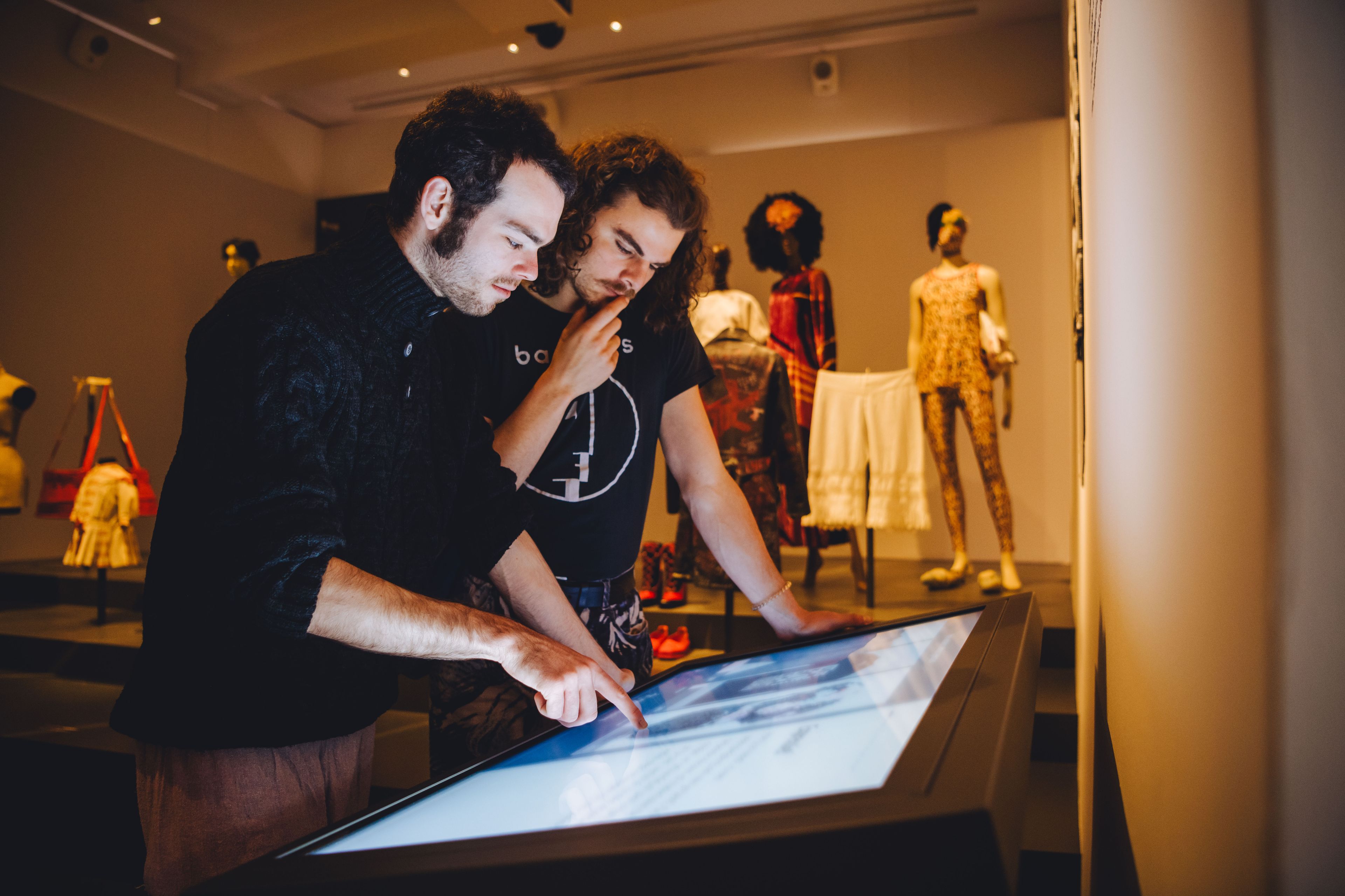
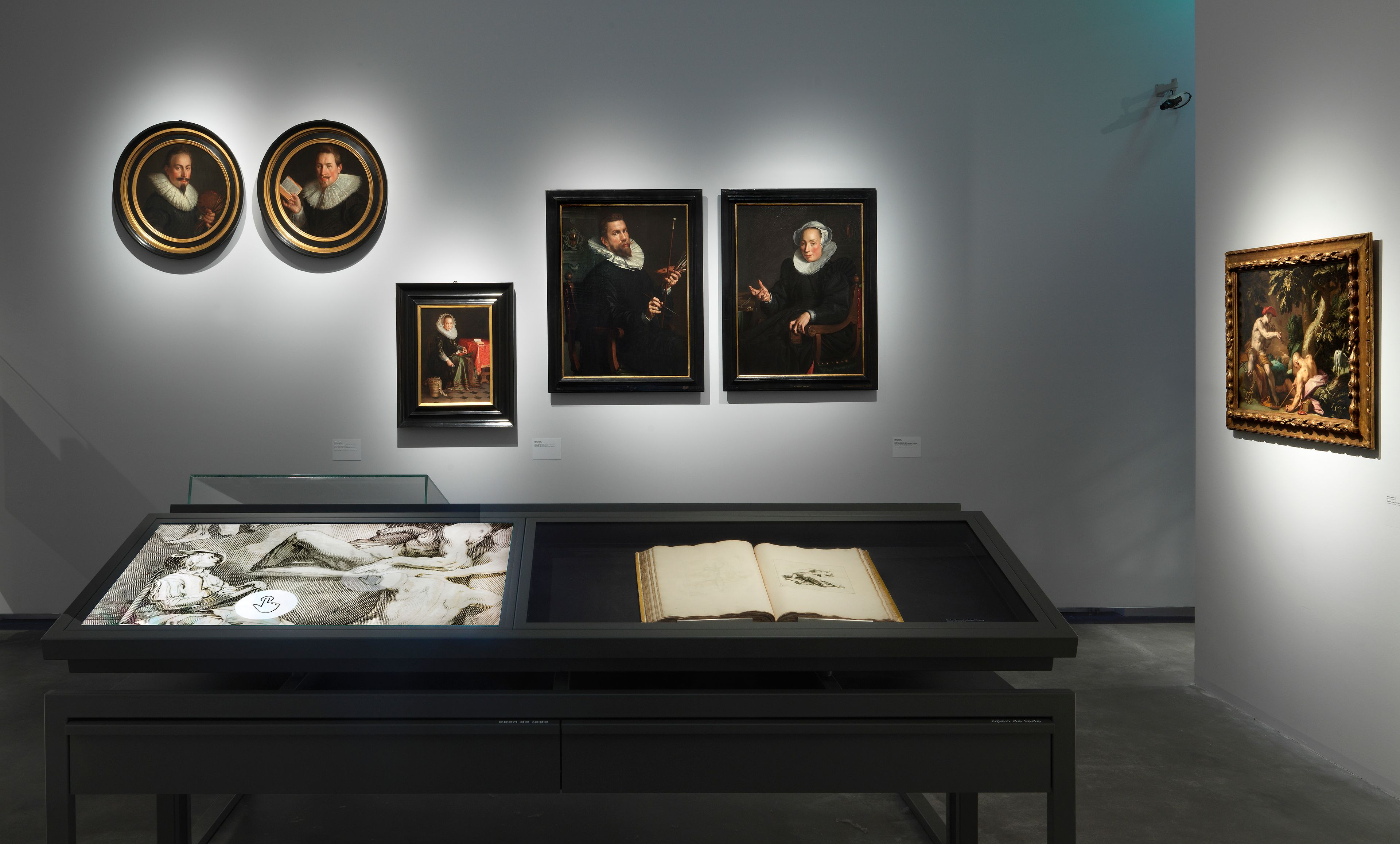
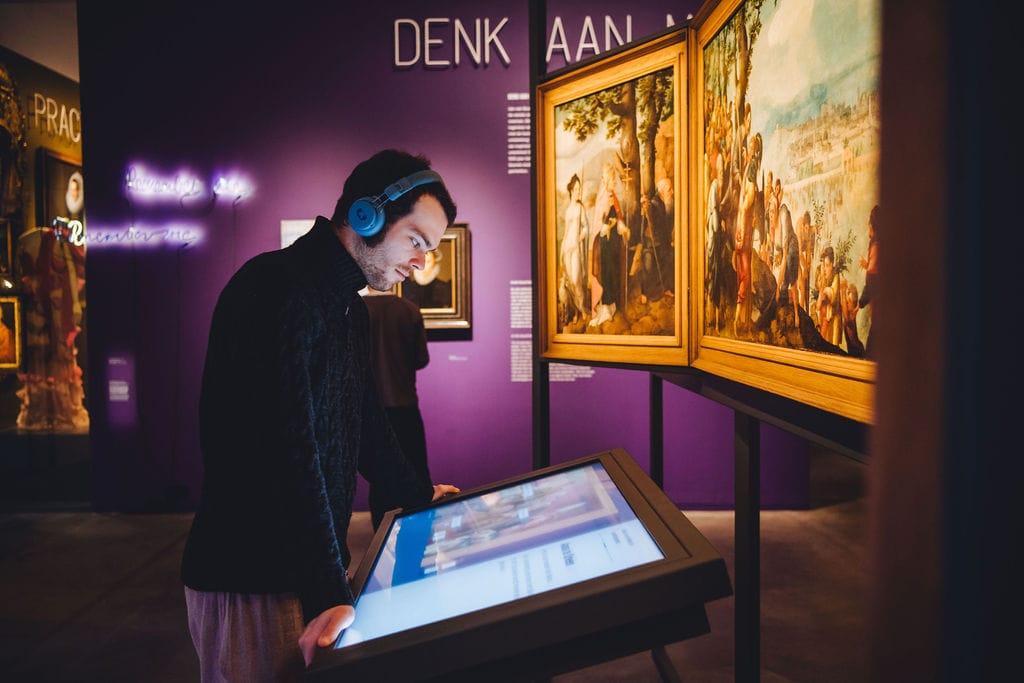
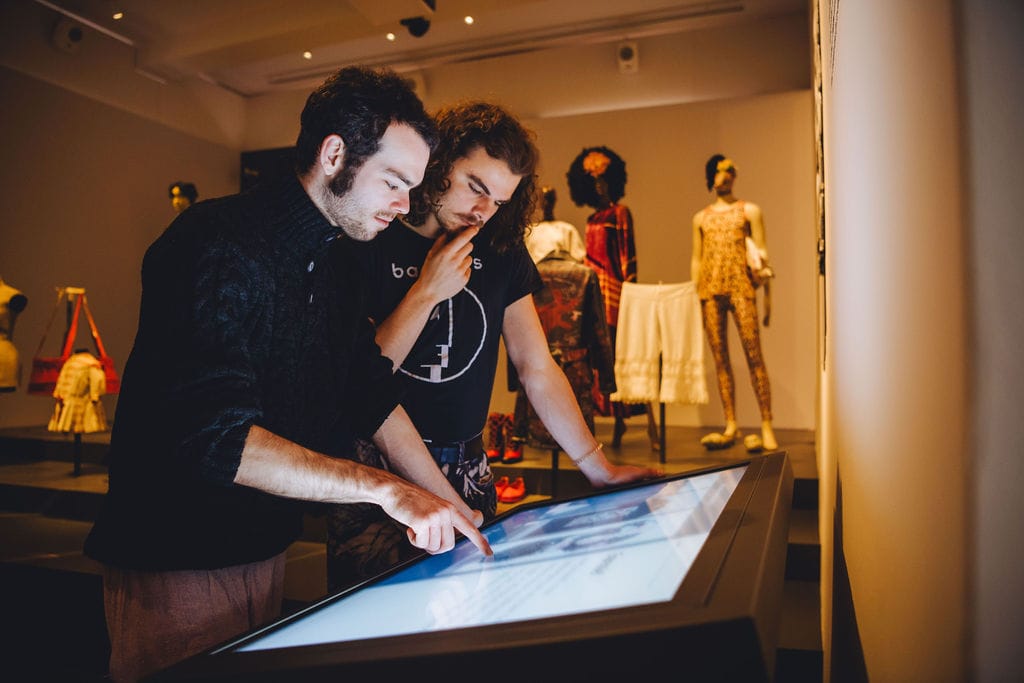
Together with Centraal Museum, we created Digi Stories: a framework for publishing interactive stories about key objects and themes from the collection. Each story adds a digital, interactive layer to the exhibition, woven into the design and the furniture rather than added on top. Visitors move through a story in short chapters of visual and interactive content, looking closely at one object, then stepping back to see how it connects to others.
In the exhibition and on the web
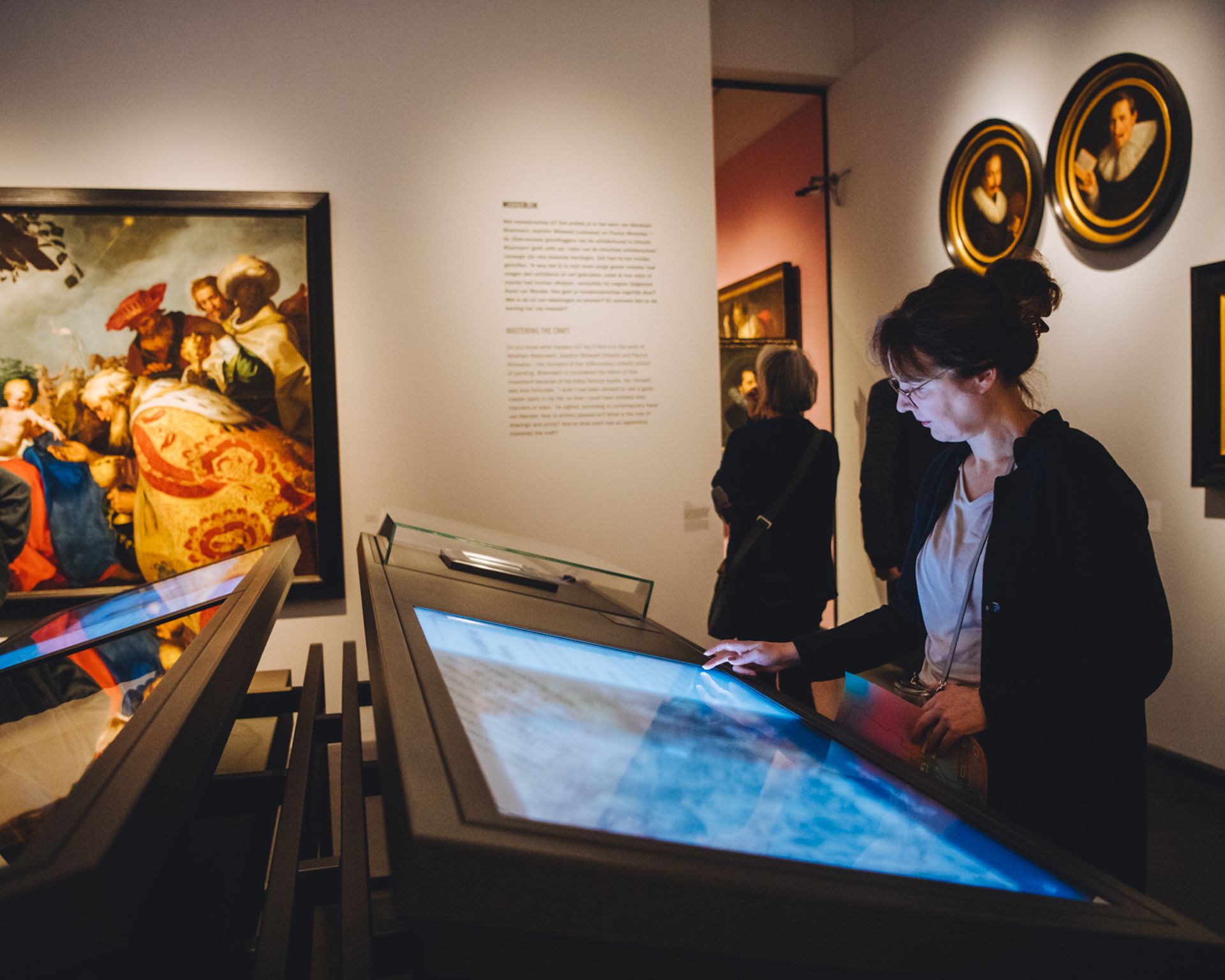
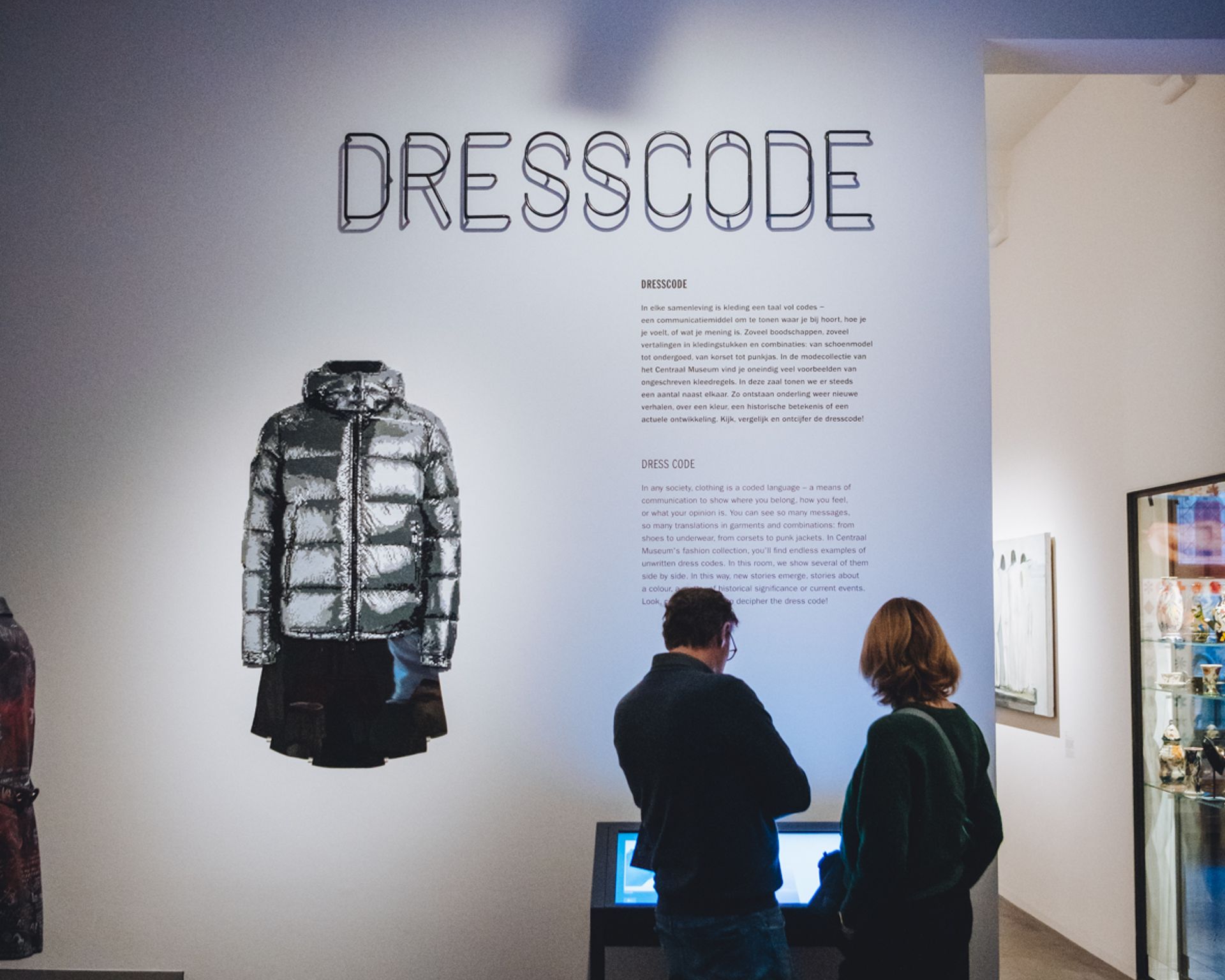
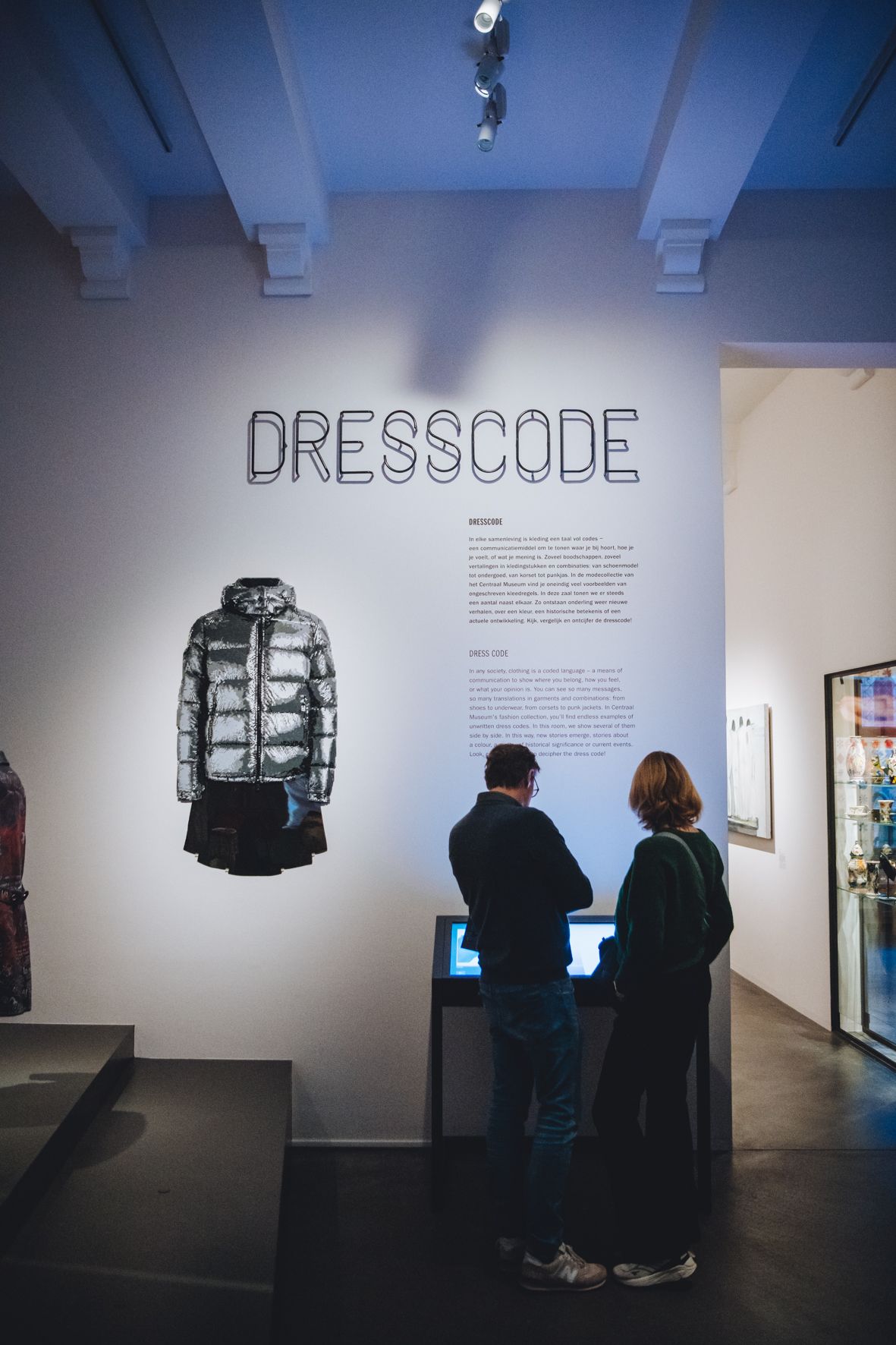
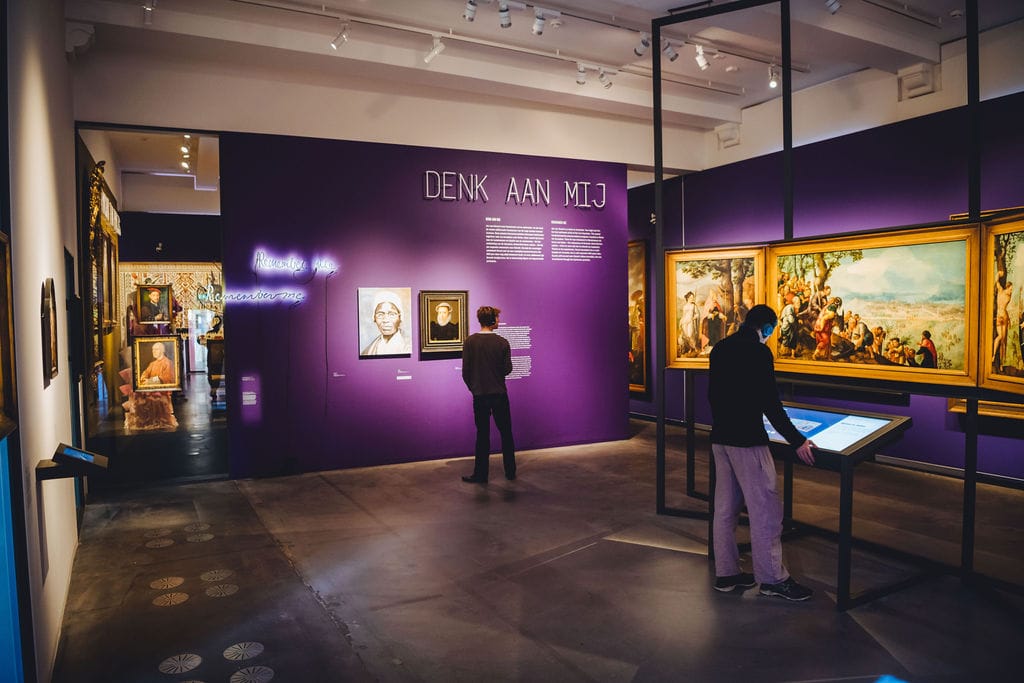
Each Digi Story lives on a touchscreen, placed right next to the objects and themes it covers, integrated in the exhibition's furniture. The same stories are also available online, as a web application on the museum's website, so people anywhere in the world can explore the collection at their own pace.
A framework the museum runs itself
We built Digi Stories as a reusable, scalable framework, so the museum can create and publish new stories on its own. With modular chapter building blocks, content editors compose stories for both the touchscreens and the web, without needing Tapart. A management system for the touchscreen installation lets the museum add or change screens just as independently, whether for a temporary exhibition or a shift in the permanent collection. The framework is built to grow with the museum.
Accessible from the first decision
At Tapart, accessibility isn't a checklist item, it's a responsibility. Stories that are layered, immersive, and engaging should be open to everyone. For Digi Stories, accessibility shaped the design from the first decision rather than a final check. The result is an intuitive interface, with visual content, interactive elements, and navigation that work for a wide range of visitors. It meets the WCAG 2.1 AA standard, and it feels natural to use.

Cases
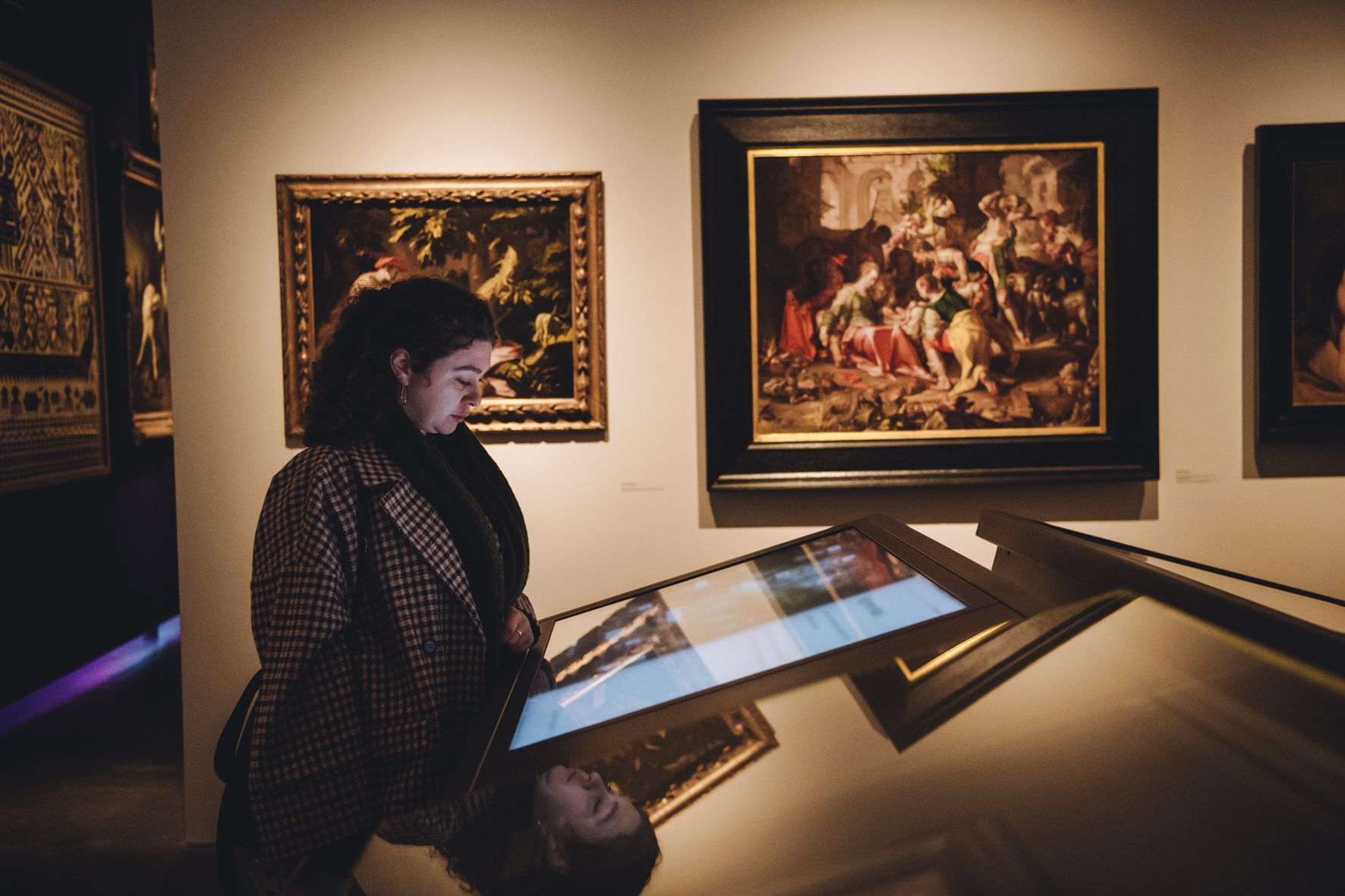
An immersive journey in the night
- 2024
- Museum
- Riyadh, Saudi Arabia
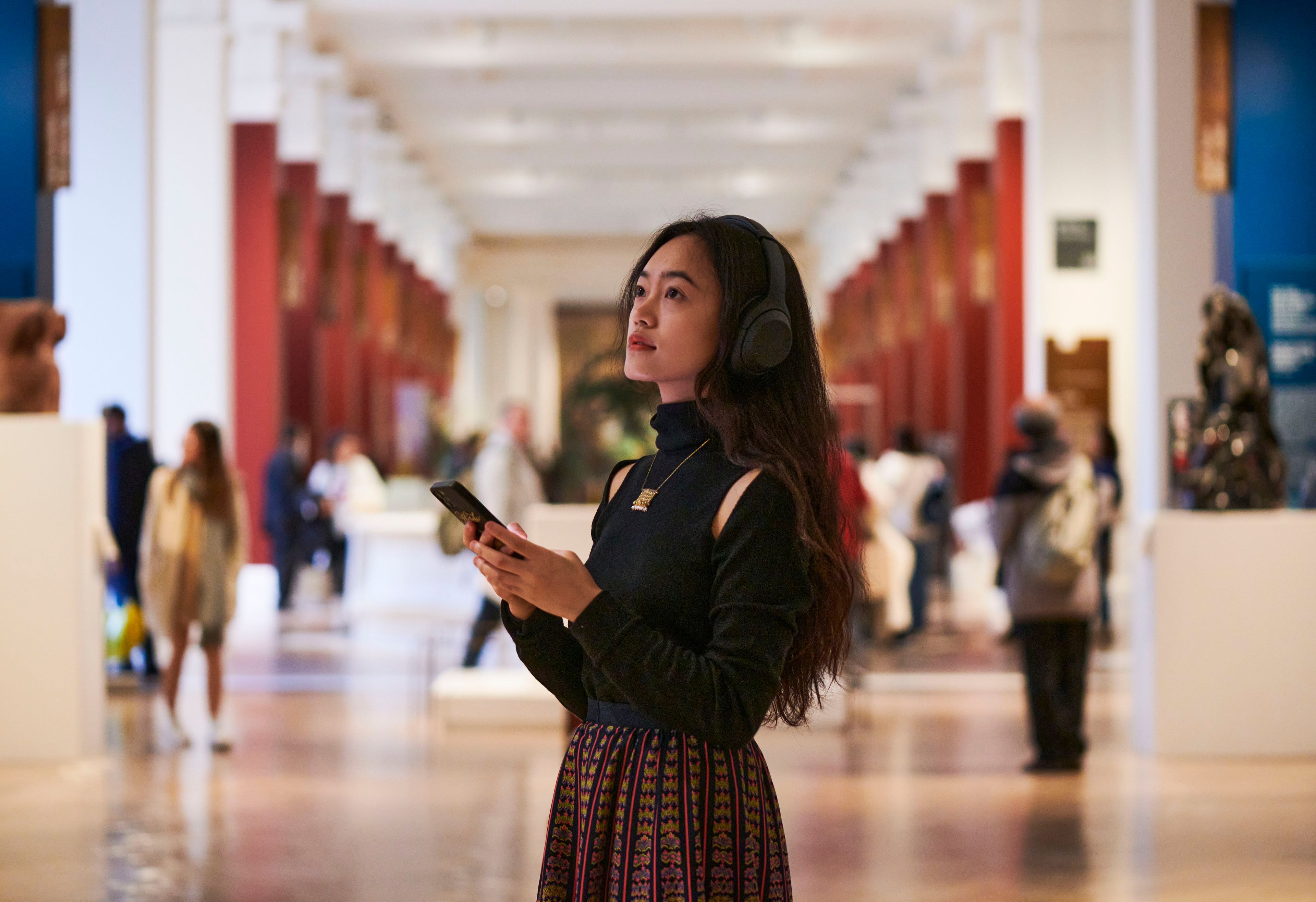
The British Museum, in your pocket
- 2022
- Museum
- London, United Kingdom
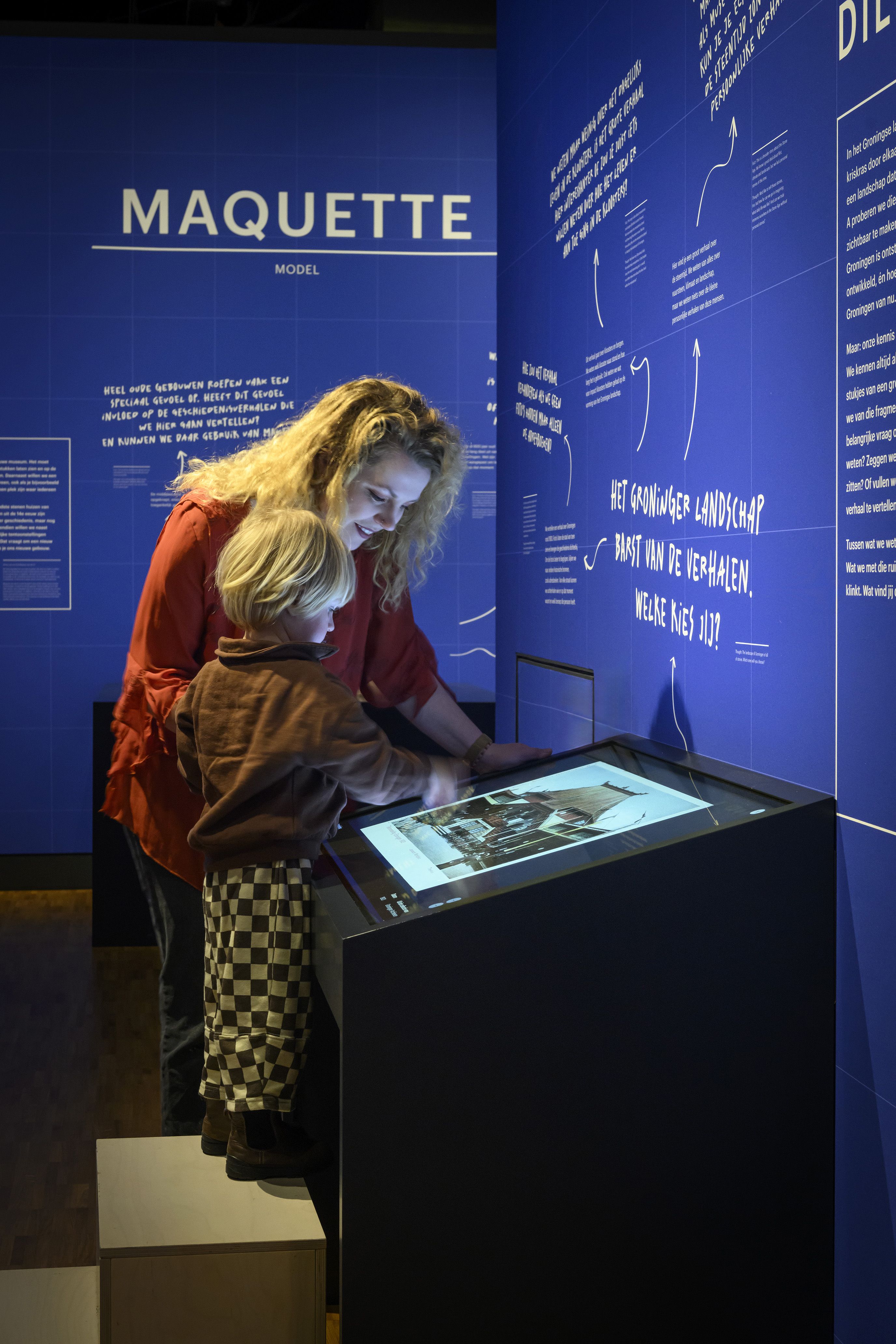
Who writes history?
- 2025
- Museum
- Groningen, The Netherlands